
Help Kids Find Coping Skills They'll Actually Use
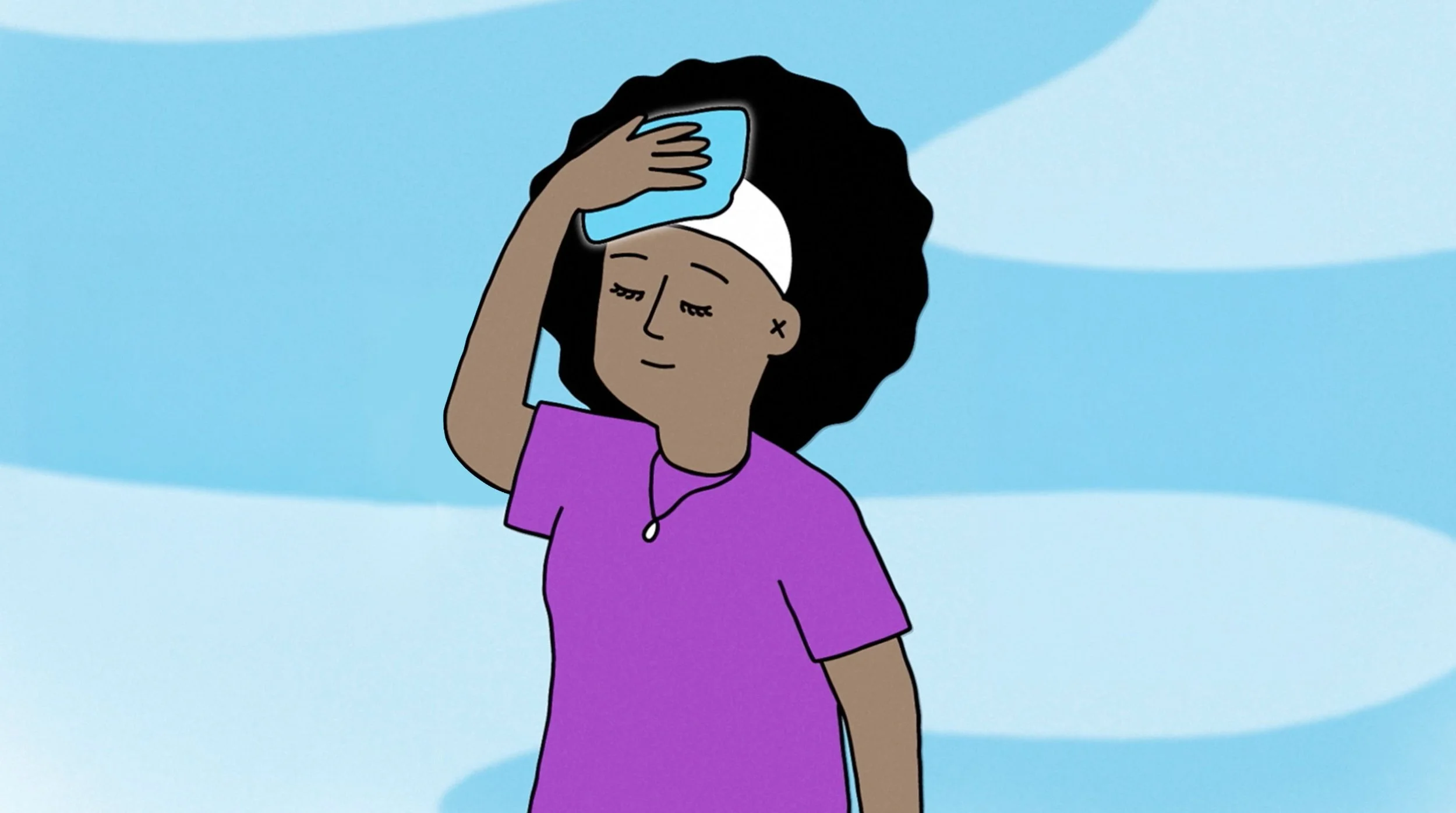
Your tween comes home upset after an argument with a friend. You suggest taking a deep breath. Cue the eye roll. Clearly, that didn't land.
Despite your best intentions, helping kids manage difficult emotions can be challenging. The trick is finding strategies your child is willing to try and helping them put those skills into practice when they need them most.
That's where Mood Tools come in. These free, evidence-informed coping skills help kids manage stress and difficult emotions through simple activities that can be engaging and even fun. From breathing exercises that calm the body to movement that releases tension and techniques that shift negative thinking, Mood Tools give tweens and teens practical ways to feel better in the moment.
Here are tips for helping kids discover which tools work best for them.

Listen Before Offering Solutions
When kids are upset, they often need to feel heard and understood before they're ready to consider solutions.
Start by asking what happened. Listen without judgment, resist the urge to jump in with advice and acknowledge how they're feeling. A simple response like, “That sounds really frustrating. I can understand why you're upset,” validates their emotions and that small sentence can begin the process of coping.
Once they've had a chance to express themselves, ask if they'd like help figuring out what to do next, rather than jumping in with advice or solutions. The CDC recommends listening without judgment and asking before offering advice.
Explore Mood Tools Together
Trying something new can feel easier with a little encouragement and company. When introducing coping skills, invite your child to explore a Mood Tool together. Keep it casual and pressure-free, allowing them to get comfortable with the activity at their own pace.
Here are two simple tools to try together:
Flowers and Candles uses the imagery of smelling flowers and blowing out candles to guide slow, controlled breathing.
Tighten, Hold, Relax uses progressive muscle relaxation to release physical tension.
Afterward, ask how the activity felt. Not every tool will resonate with every child, so encourage curiosity and exploration rather than expecting immediate results.
Give Teens a Sense of Ownership
As kids become familiar with coping skills, encourage them to take the lead in choosing which tools to use and when. Giving teens a sense of independence can help them build confidence in managing their own emotions.
Encourage them to explore tools that relate to situations they're experiencing. For example:
Before a stressful event: Belly Breathing encourages slow, deliberate breathing to help calm the body's stress response.
When caught in negative assumptions: Check the Facts helps separate what actually happened from interpretations that may be intensifying difficult feelings.
Some teens may welcome your involvement, while others prefer to explore independently. Respect their preferences and give them room to discover what works.
The goal is to help teens develop a personal set of coping skills they feel confident using on their own.
Don't Force It
Timing matters. When emotions are intense, even a helpful suggestion can feel unwelcome.
If your child isn't interested, don't push. Revisit the idea when they're calmer and more receptive.
Offer choices. A child who dislikes breathing exercises might respond better to movement, sensory activities or thought-shifting techniques.
The CDC recommends choosing calm moments for conversations about managing emotions.
Make Coping Skills Part of the Daily Routine
The middle of an emotional meltdown isn't the ideal time to learn something new. Practicing coping skills when things are calm makes them easier to turn to when emotions run high.
Encourage kids to explore Mood Tools as part of their everyday routines. Try a breathing exercise together at the breakfast table, a calming activity before bed or a quick reset after school. Over time, these familiar activities can become strategies kids turn to when they need them most.
Parents can also model emotional regulation. Taking a moment to pause, breathe or reset during a frustrating situation shows kids that managing emotions is a skill everyone can practice.
The goal isn't to eliminate difficult feelings, but to help kids develop healthy ways to respond to them—and the confidence to use those skills when they need them most.
When to Seek Additional Support
Coping skills can help kids navigate everyday emotional challenges, but they aren't a substitute for professional mental health care.
If difficult emotions consistently interfere with school, friendships, sleep, or family life, consider speaking with a pediatrician or mental health professional. The National Institute of Mental Health offers guidance on recognizing when additional support may be needed.
If a child expresses thoughts of suicide or self-harm, seek immediate support. In the United States, call or text 988. In case of immediate physical danger, contact emergency services.
Help Kids Find What Works
There is no single coping skill that works for everyone. The key is giving kids opportunities to explore different strategies, discover what feels helpful, and build confidence in managing their emotions.
Explore Mood Tools to find simple, practical ways to help tweens and teens navigate life's ups and downs.