
The 2 A.M. Spiral Impacts the Teen Brain
HOW PARENTS CAN HELP BREAK THE CYCLE
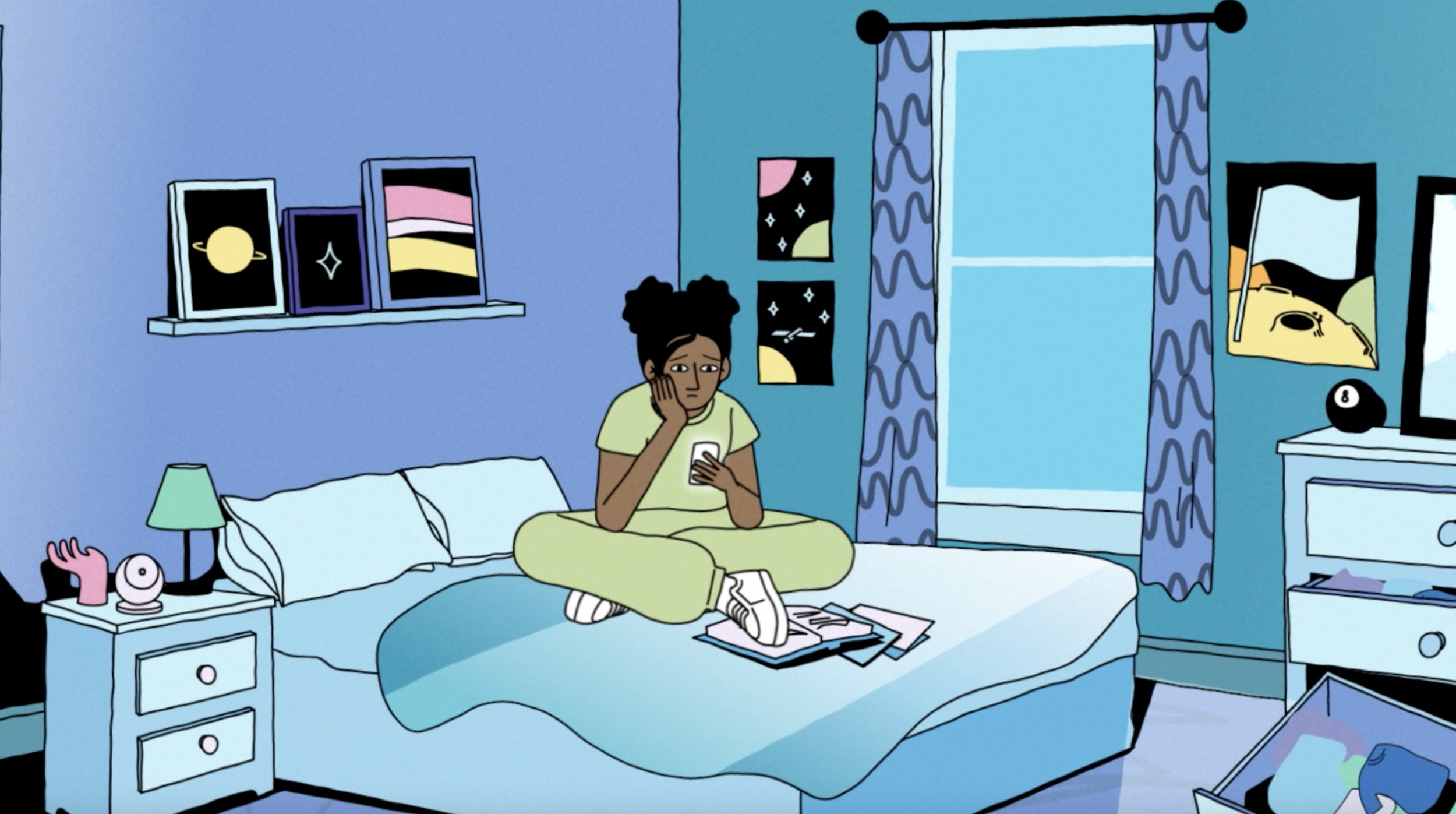
See your teen's phone glowing in the middle of the night? You're not alone. Late-night overthinking is disrupting teens' sleep and there are serious consequences. Research shows this habit plays a very real role in emotional regulation, stress responses, academic performance, and long-term mental health effects in kids.
Teens increasingly spiral at 2am due to a biologically-driven sleep cycle shift ((adolescents naturally shift later during puberty), and a decrease in melotonin from excessive screen time, according to research. Kids also spin out at night due to anxiety from over-scheduling, homework, and social pressure. How do you help your child who’s anxious at night, exhausted in the morning, and stuck in a cycle they can’t name? Here’s what is happening and what you can do to support them (with some help from resources like The Mood Tools App).

Why Teens Are Stuck in Late-Night Spirals (and why it’s not just “teen drama”)
During adolescence, the brain goes through a huge period of rewiring. The parts responsible for impulse control, emotional regulation, and decision-making are still largely under development.
Add in shifting circadian rhythms (teens naturally fall asleep later), academic pressure, social stress, and screens, and you have the perfect storm for teen nighttime anxiety, racing thoughts, and sleep loss. In fact:
70% of teens get less than 8 hours of sleep, even though they need 8–10 hours for healthy development (CDC).
A study of more than 350,000 teens found that less sleep was linked to a 41% increased chance of having anxiety, a 62% increased chance of having a depressed mood, and an 83% chance of having an angry mood
Teens who use screens within an hour of bedtime experience 55% more delayed sleep onset (American Academy of Pediatrics).
A 2025 longitudinal study found that short sleep duration and frequent night awakenings at age 14 predicted suicide attempts at age 17, even after adjusting for mental health history.

How Parents Can Help Teens Break the 2 A.M. Spiral Cycle
Here are realistic, non-judgmental support strategies backed by research, small steps that work:
Set a predictable digital “wind-down window”— Research shows that even a 30–60 minute screen break before bed improves sleep quality significantly. This isn’t about punishment, it’s about giving the brain space to shift into rest mode. Some great alternatives to screentime before bed are: reading a physical book, listening to calming music or podcasts, journaling, gentle stretching, meditation or light creative hobbies like drawing or knitting.
Use skills learned on The Mood Tools App as part of their nighttime routine. Recommend (gently!) Mood Tools such as:
ASMR — Sounds help calm your body and mind.
Body Scan — Lowers physical tension.
Zoom Out — Resets perspective.
4-7-8 Breathing — Regulates the nervous system.
Validate their experience instead of dismissing it— Validation reduces distress and increases cooperation.
Avoid:
“Just go to bed.”
“You’re being dramatic.”
Try:
“I can see your brain is busy tonight — that’s really tough.”
“Want help doing something that might make your mind quieter?”
Create a “Tomorrow List”— Have them jot down worries, tasks, or intrusive thoughts. Once it’s on paper, the brain permits itself to let go.
Model calm bedtime habits yourself— Kids copy what they see, even teens who act like they don't care. For example, charge your phone in a room other than your bedroom overnight, or create a set screen-free time before bed for activities like journaling, reading, or meditating. Explain why you have adopted these habits and the benefits for your own life.
The Bottom Line
The 2 a.m. overthinking spiral is a real mental health challenge for teens. This is not “just tiredness.” This is brain chemistry, biology, and emotional load all stacking against your teen at the worst possible hour. But with awareness, compassion, and practical tools, parents can help interrupt the cycle and support healthier sleep and emotional regulation in teens.

The Mood Tools App provides teens with accessible, shame-free support in the exact moments they need it most, whether that’s before bed, in class, or during a tough night. Small steps in the evening can change your teen’s entire tomorrow.