
Big Feelings Happen. Here’s Where Kids Can Find Relief.

SIMPLE TOOLS FOR BIG FEELINGS. BUILT FOR KIDS. SUPPORTED BY TRUSTED ADULTS.
Big feelings do not always arrive politely.
They can rudely arrive as a racing heart before school, a tight jaw after a hard conversation, tears that come out of nowhere, or thoughts that keep looping long after the moment has passed.
Coping skills for kids can really help. When selecting, it helps to match the tool to what they are experiencing in the moment. If the body feels tense, try tools that slow breathing or release tight muscles. If thoughts are looping, use tools that are grounding or reality testing.
When kids feel anxious, they do not always need a big intervention. They often just need one simple place to begin.
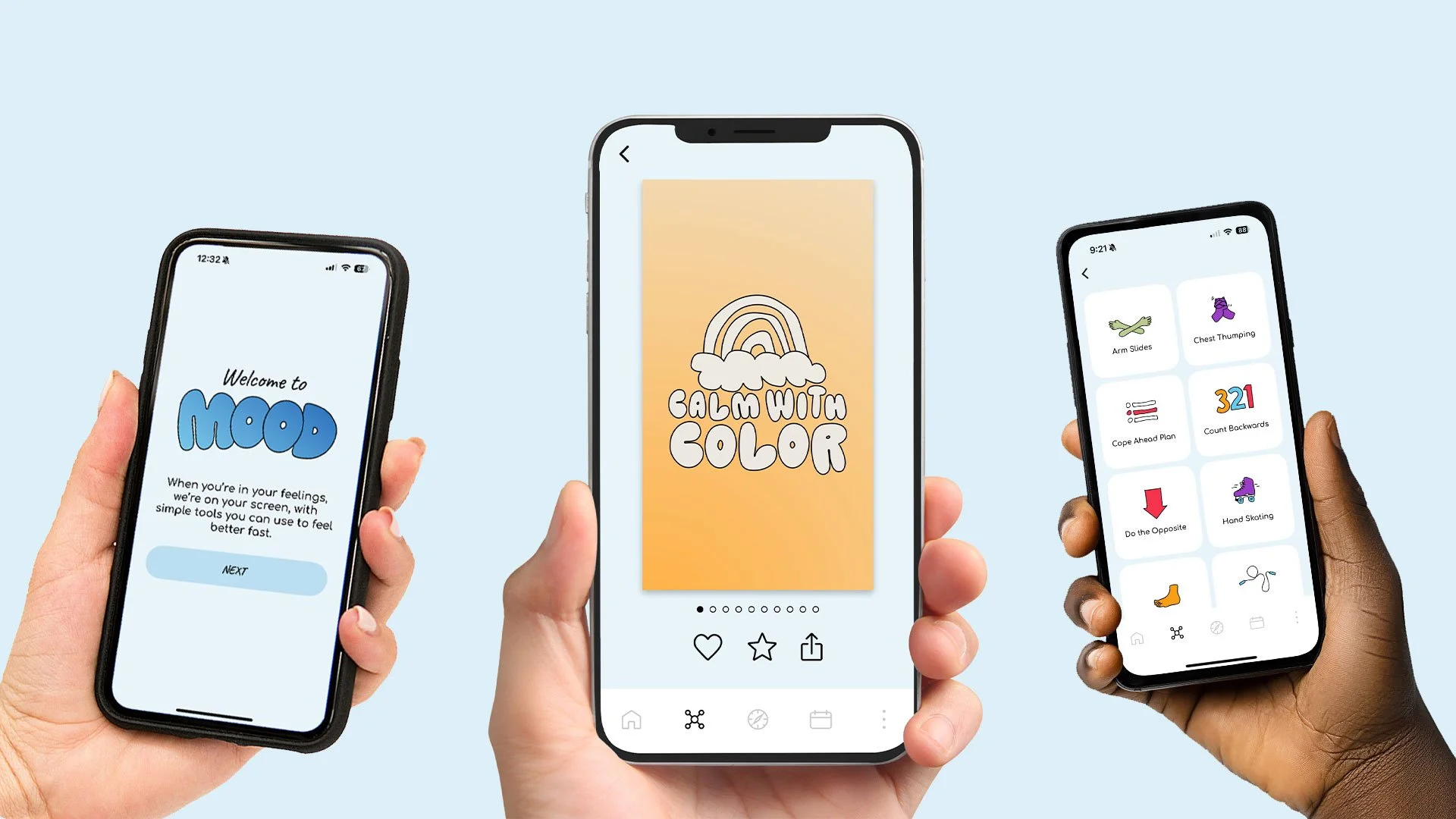
Mood is built for those everyday emotional moments: stress, worry, frustration, overwhelm, school pressure, friendship conflict, and the confusing in-between feelings kids cannot always name. The free Mood Tools App turns therapy-informed coping skills into short activities for kids ages 9–15, organized by what they might be feeling or needing.
The goal is not to make every feeling disappear. It is to help kids pause, notice what is happening, and choose one tool that feels manageable.
Key Takeaways
Start with what is showing up most strongly: a tense body, looping thoughts, an unclear feeling, or the urge to react.
Choose one tool—and notice what shifts. It can take just a few minutes to see a small shift.
Trusted adults can offer one or two options, try a tool alongside the child, or let the child lead on their own.
Mood tools support everyday stress, worry, conflict, and overwhelm. They are not crisis care or a substitute for professional support, but an in-between bridge.
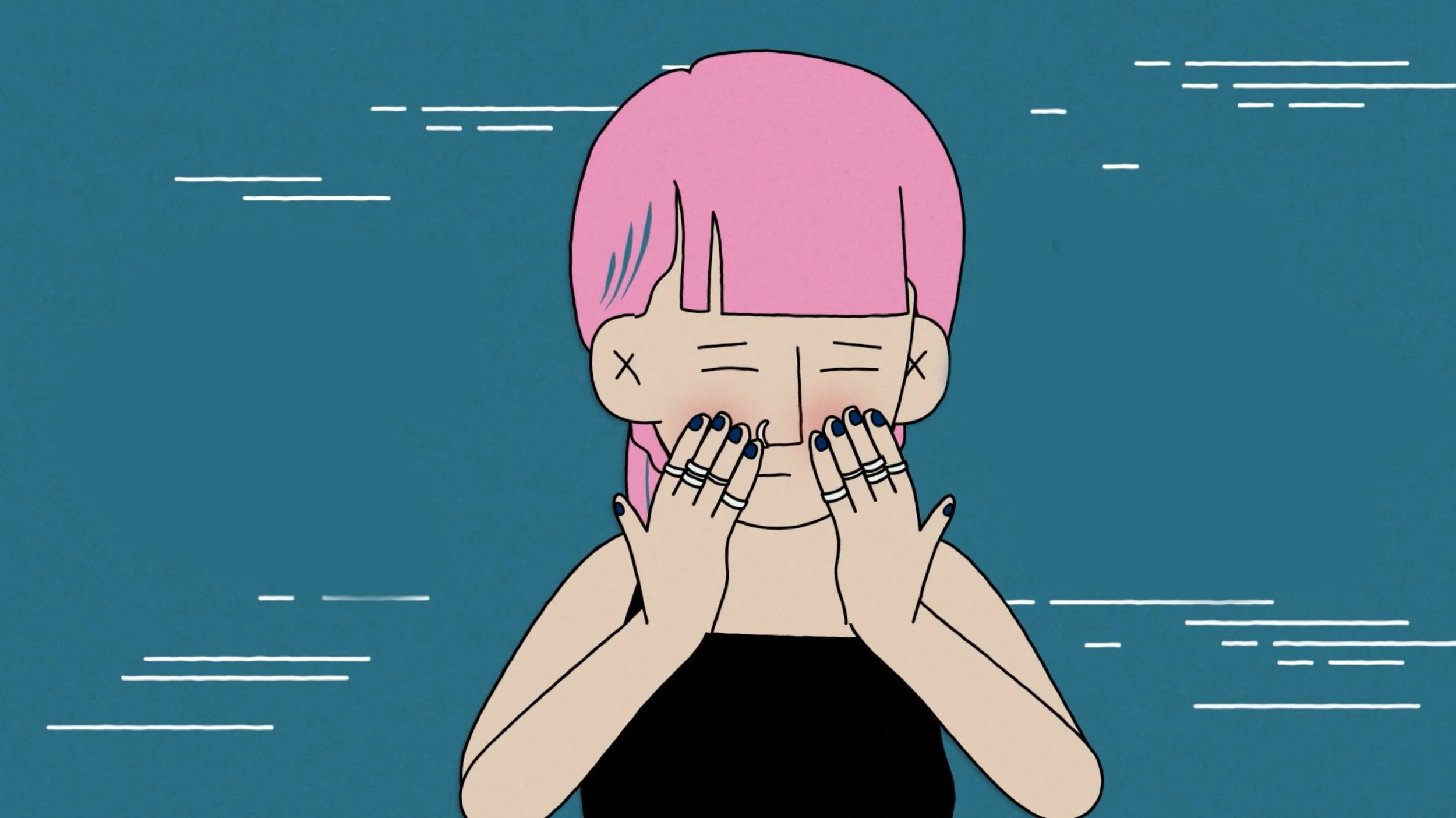
Notice what is happening right now
A coping tool is not magic. It is a small pause that can help a kid find their footing. Look first at what seems loudest: the body, the thoughts, the confusion, the decision, or an impulsive urge.
You do not need to diagnose the feeling or find the perfect tool. Use the guide below to help your child narrow the choice quickly.
| If it feels like... | Start with... |
|---|---|
| Heart is racing, or body feels tense | Belly Breathing — slow the breath; Tighten, Hold, Relax — release muscle tension |
| Feeling scattered, overwhelmed, or far away | Use Your Senses — return to the present; Calm Down With Color — be in the moment |
| Thoughts are spiraling | Brain Name — make friends with your brain; Check the Facts — separate facts from assumptions |
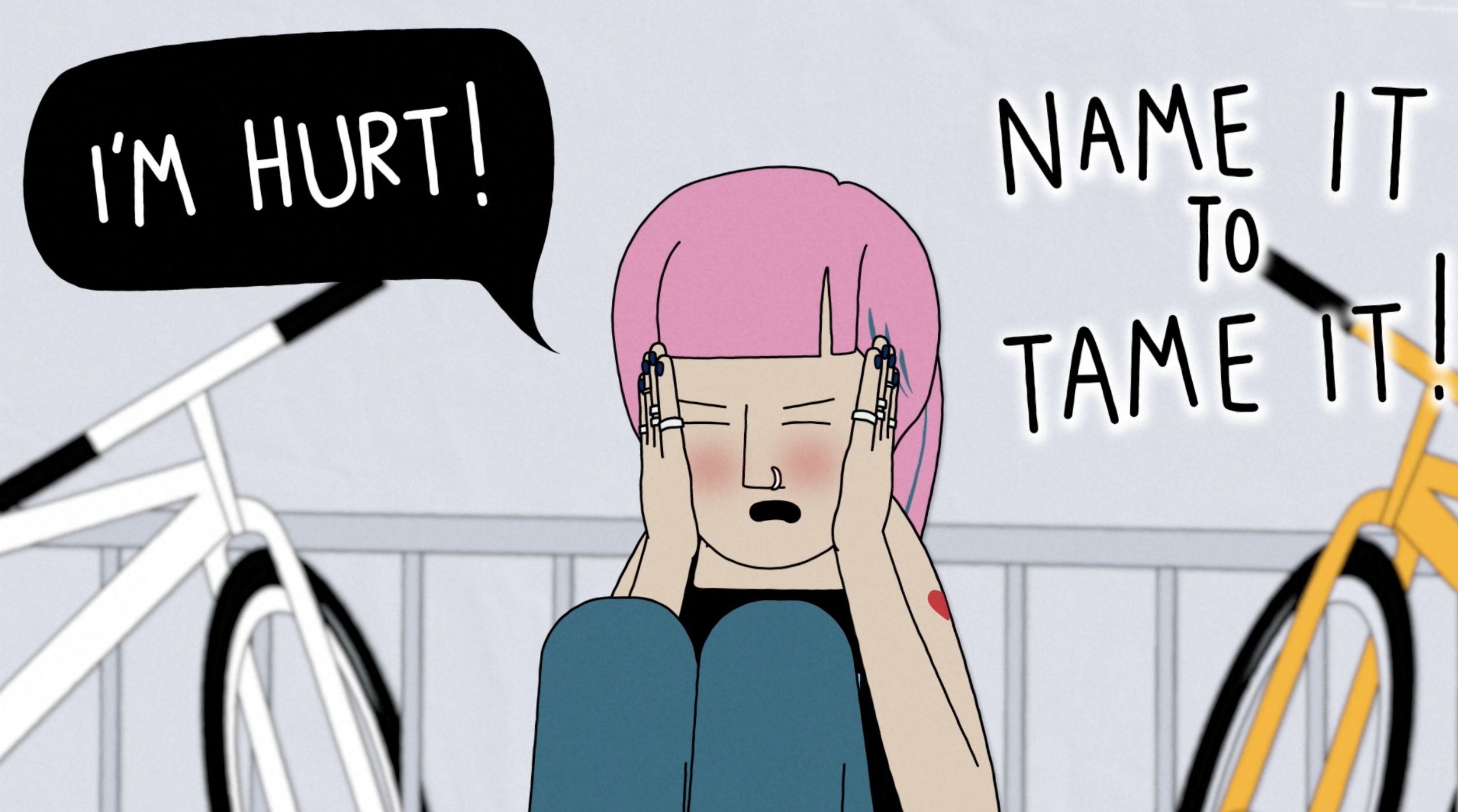
| Confusion, cannot explain what the feelings are | Name It to Tame It — put a feeling into words |
| Two conflicting feelings | Both Can Be True — feel less confused by holding mixed feelings. |
| Need to make a decision | Wise Mind — balance emotion and facts |
| Need fewer choices and less noise | Recombobulation Station — create a quiet place to reset |
Try emotional regulation tools together, then let the kid lead
A trusted adult can support the process without taking over. Sit beside the child, narrow the choice, and try the first exercise together. Then step back. Offer support as a choice, not a requirement.
That can sound like:
"This one looks kind of fun and easy."
“Would you like to choose a tool, or should I offer two?”
“Do you want to try it together?”
“Do you want to keep this one, or try something else?”
Praise the practice, not the outcome. The goal is discovery: let the child decide what helps and return to it with growing independence.
The American Academy of Pediatrics recommends helping teens build a personal self-care toolbox, with adults listening without judgment and keeping mental health an open family topic.
Pick one tool, not the whole menu
Different situations call for different responses. These are a sample of tools in the app for various situations.
IF THE BODY IS ON HIGH ALERT
Physical signs like a racing heart, tight jaw, fluttery stomach, or clenched hands may call for a body-based option. Try five slow rounds of Belly Breathing. For muscle tension, Tighten, Hold, Relax guides a child to tense each muscle group for about five seconds, then release. Butterfly Tapping uses gentle alternating taps to create a side-to-side rhythm.
IF THOUGHTS KEEP LOOPING
When one worry repeats, Brain Name invites a kid to name the spinning brain, creating distance from the thought. Check the Facts separates what happened from what the mind is predicting. When one moment feels endless, Zoom Out gives a different perspective.
IF A CHILD SEEMS SCATTERED OR DISCONNECTED
Grounding brings attention back to the present moment. Use Your Senses offers something concrete to notice, while Calm Down With Color gives the eyes a simple, quiet job.
IF THE FEELING IS HARD TO NAME
Sometimes the first step is not calming down. It is finding a word—or even a best guess—for what the child is carrying. Name It to Tame It gives a child a low-pressure entry point.
IF MIXED EMOTIONS SHOW UP
A child can be excited and nervous, angry and caring, ready and unsure. Both Can Be True makes room for mixed feelings. Wise Mind can help when the next step needs a healthy balance of emotions and logic.
IF EVERYTHING IS TOO MUCH
Sometimes the kindest next step is to lower the volume and simplify the choices. A Recombobulation Station can be a calm spot to pause and regroup—not a punishment or time-out.
Practice tools together during calm, low-stakes time so the approach feels familiar when emotions run high, and tools are a familiar relief.
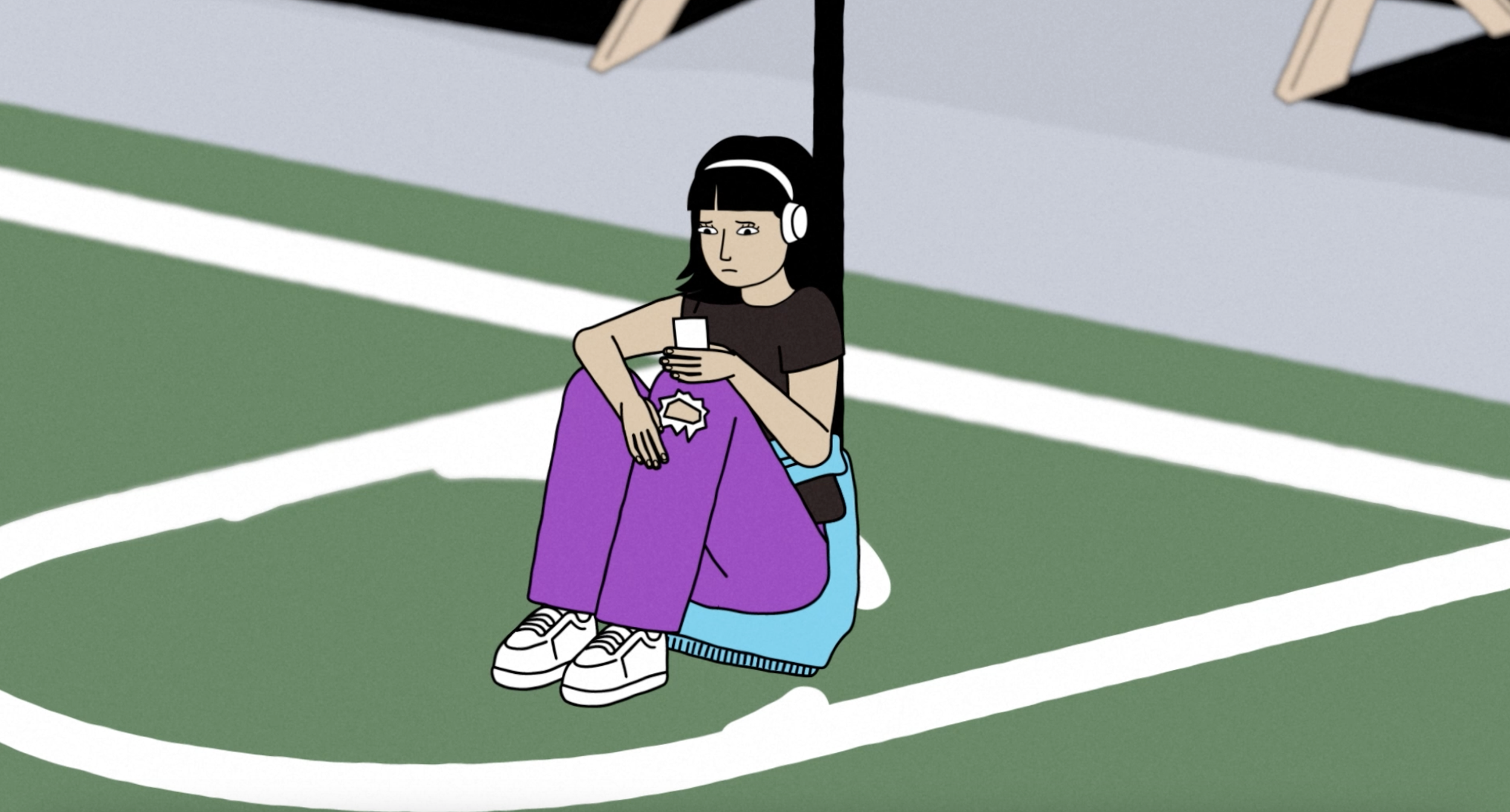
When this is bigger than a coping tool
Mood tools are designed for common challenges such as daily stress, friendship conflict, school pressure, and emotional overload. They are not crisis intervention or a substitute for therapy, medical care, or immediate professional support.
The National Institute of Mental Health recommends contacting a health professional when concerning feelings or behaviors last for weeks or months or begin interfering with life at home, school, or with friends. Its child and adolescent mental health guidance explains when additional support may be helpful.
If you or someone you know is in immediate danger or experiencing a mental health crisis in the United States, call or text the 988 Suicide & Crisis Lifeline at 988.
A small way forward
Big feelings are part of being human. Kids do not need to make them disappear before they can move forward.
Choose what fits the situation. Let the result be information, not a grade. Keep what helps.
Mood can help: one clear next action for kids and the adults who care about them.
About Ronnie Vehemente, LCSW
Ronnie Vehemente, LCSW, is the founder of The Family Room and an advisor to The Mood Tools. She has over 30 years of experience counseling children, teens, parents, and families. A graduate of Columbia University School of Social Work, she specializes in emotional regulation, parent-child attachment, and adolescent mental health.
Her work focuses on helping families build emotional safety, resilience, and connection in an increasingly demanding world.
FAQs
-
Coping skills for kids are small actions that can help a child settle their body, interrupt looping thoughts, name a feeling, or choose what to do next. The best first step is usually the one that matches what feels loudest in the moment.
-
Begin with what is most noticeable right now. If the body is tense or breathing is fast, choose a body-based tool. If thoughts are looping, choose a grounding or thought-shifting tool. If they cannot describe it yet, begin with a best guess. One choice is enough.
-
Listen and observe your child. And ask a few simple questions: “Do you feel tense?” “Are you having racing thoughts?” 'Trouble sitting still?" If you're not sure — really, any tool will help even if it's not a perfect match.
-
There is no single best first choice. Anxiety can manifest in so many feelings and behaviors. Most of the mood tools will help with generalized anxiety.
-
Yes. Then let your child decide whether they want you nearby or prefer to continue independently. Support should feel available, not like monitoring.
-
Mood is designed for kids ages 9–15 and the trusted adults who support them.
-
That does not mean the child did it wrong. Try a different approach, or pause and come back later. An exercise can still be useful if it creates only a small shift or helps the child understand what they need next.
-
Seek professional support when concerning feelings or behaviors persist, worsen, or interfere with daily life. If there is immediate danger or a mental health crisis, use crisis or emergency support rather than an app.
