
How to Raise Children Who Feel Loved and Connected

EVIDENCE-BASED PARENTING GUIDANCE
Key Takeaways
Emotional safety shapes a child’s inner voice and long-term resilience
Regulation begins with the parent
Curiosity strengthens attachment
Repair after conflict builds trust
Screen-free rituals increase connection
Emotional regulation skills can be taught using evidence-based tools
Children who feel securely connected to their parents are more resilient, confident, and emotionally stable. But in today’s overstimulated world, connection requires intention.

AT-A-GLANCE PARENTING GUIDANCE
Children feel loved and connected when parents offer consistent emotional safety, curiosity without judgment, repair after conflict, and screen-free presence. A strong parent-child connection shapes a child’s inner voice, self-worth, and long-term emotional resilience. Practical tools — including modeling regulation skills and using science-backed emotional strategies like those in The Mood Tools — can help families build connection in everyday moments.
Why Feeling Loved and Connected Matters for Children
Children develop their sense of self through the way their parents see and respond to them. The parent-child relationship serves as a child’s internal compass. A parent’s voice becomes the child’s inner voice.
When children consistently feel emotionally safe and secure, they are more likely to develop:
A stable sense of self-worth and healthy self-esteem.
Strong emotional regulation skills that help them manage stress and conflict.
Resilience in friendships and future romantic relationships.
Confidence in their ability to make thoughtful decisions.
A secure internal belief that they are loved without condition.
When the connection is weak or inconsistent, children may struggle with self-worth, emotional regulation, academic performance, and relationship boundaries.
Connection is not a luxury. It is foundational to mental health.

Why Connection Feels Harder Today
Today’s children face a dramatically different environment than previous generations. According to the CDC, approximately 1 in 5 U.S. children experience a mental health condition each year.
Several factors contribute to disconnection:
Overscheduled families with limited downtime
High parental stress and work demands
Performance pressure on children
Digital overload and social media exposure
Reduced screen-free family interaction
Parents themselves may not have learned emotional regulation skills growing up. Without those tools, it becomes harder to teach children how to manage big emotions.
This is why accessible, evidence-based tools such as The Mood Tools matter.
5 Evidence-Based Steps to Help Children Feel Loved and Connected
1. REGULATE YOURSELF FIRST
Children co-regulate with their parents. If a parent is dysregulated, the child often becomes dysregulated as well.
Self-care is not selfish. It is relational.
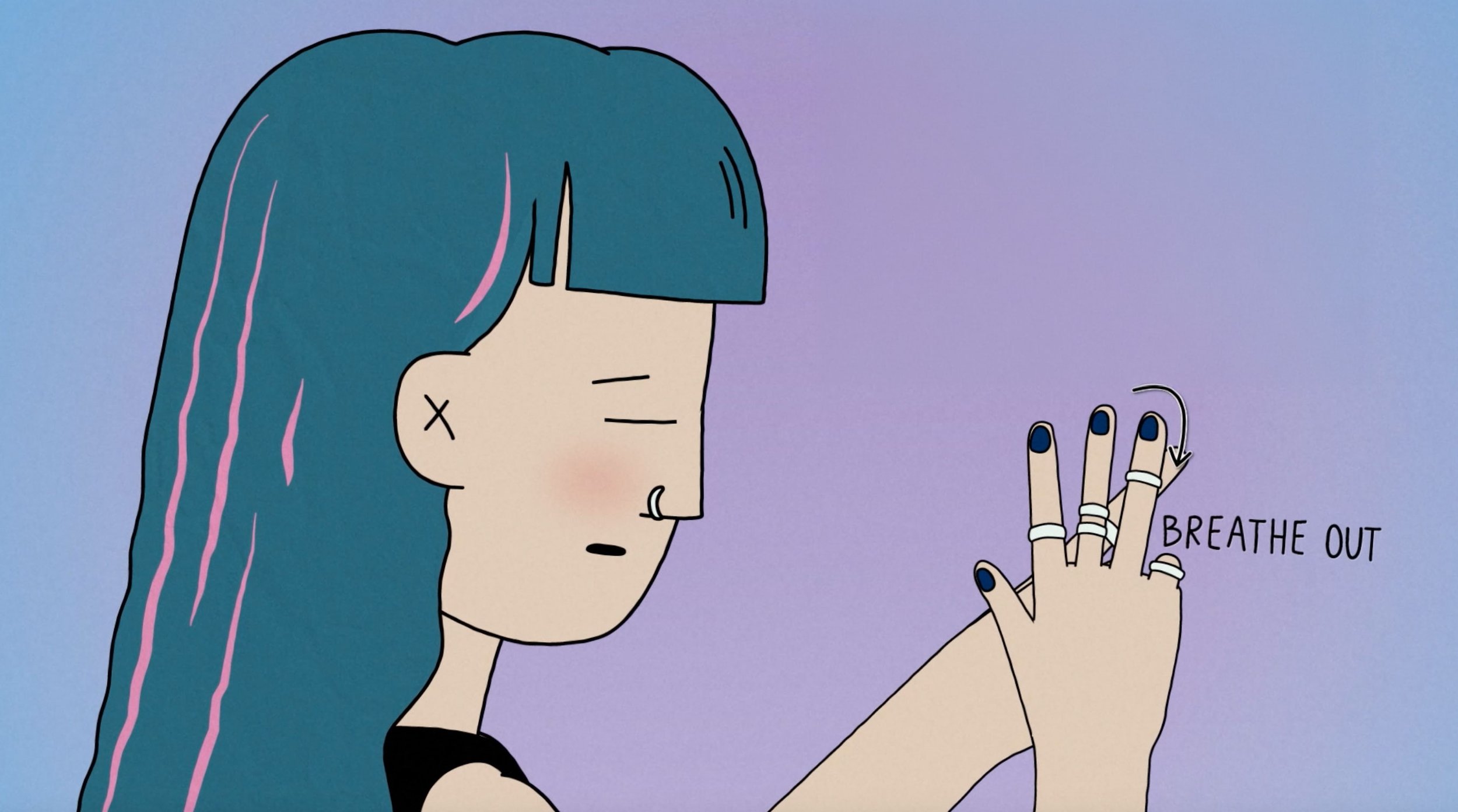
Parents need to emphasize modeling self-care and emotional regulation. When children see a parent take a calming breath, step away briefly to regulate, use grounding strategies, or repair after conflict, they learn those behaviors as normal.
Children feel safer when their parents can remain steady during emotional storms.
2. MODEL THE QUALITIES YOU WANT TO SEE
Children learn more from observation than from instruction. If you want your child to be kind, compassionate, patient, curious, and resilient, you must embody those traits first.
Modeling emotional regulation, accountability, and empathy teaches children how to respond to stress and conflict.
Hypocrisy erodes trust. Consistency builds connection.
3. GET CURIOUS ABOUT BEHAVIOR
Negative behavior is often communication.
Instead of asking your child:
“Why are you acting like this?”
Try asking yourself:
“What might this behavior be telling me?”
Curiosity without judgment allows parents to uncover unmet needs.
EXAMPLE:
A child acting irritable and aggressive after a move may be expressing grief, overwhelm, or insecurity — not defiance.
When parents respond with curiosity rather than criticism, children feel understood instead of shamed.
Feeling understood strengthens attachment.
4. RUPTURE AND REPAIR: A KEY TO CONFLICT
Conflict is inevitable. Repair is essential. Modeling conflict/resolution is imperative. This can start by the parent taking responsibility and apologizing.
When parents take responsibility and apologize appropriately, children learn:
Accountability
Emotional humility
How to mend relationships
EXAMPLE REPAIR LANGUAGE:
“I had big feelings and raised my voice. I’m sorry. I’m working on calming myself.”
Repair builds trust. It shows children that relationships can withstand tension.
5. PROTECT SCREEN-FREE CONNECTION RITUALS
Screens compete with connection.
Parents can increase emotional closeness by protecting:
Morning routines
Mealtimes
Bedtime
Car rides
They can also create device-free rituals such as:
Weekly walks
Annual family trips
Shared hobbies
Check-in conversations
Rituals create predictability. Predictability builds safety.
Ultimately, children who feel prioritized feel connected.
The Role of Emotional Regulation Tools
Emotional regulation is a skill that can be taught and practiced.
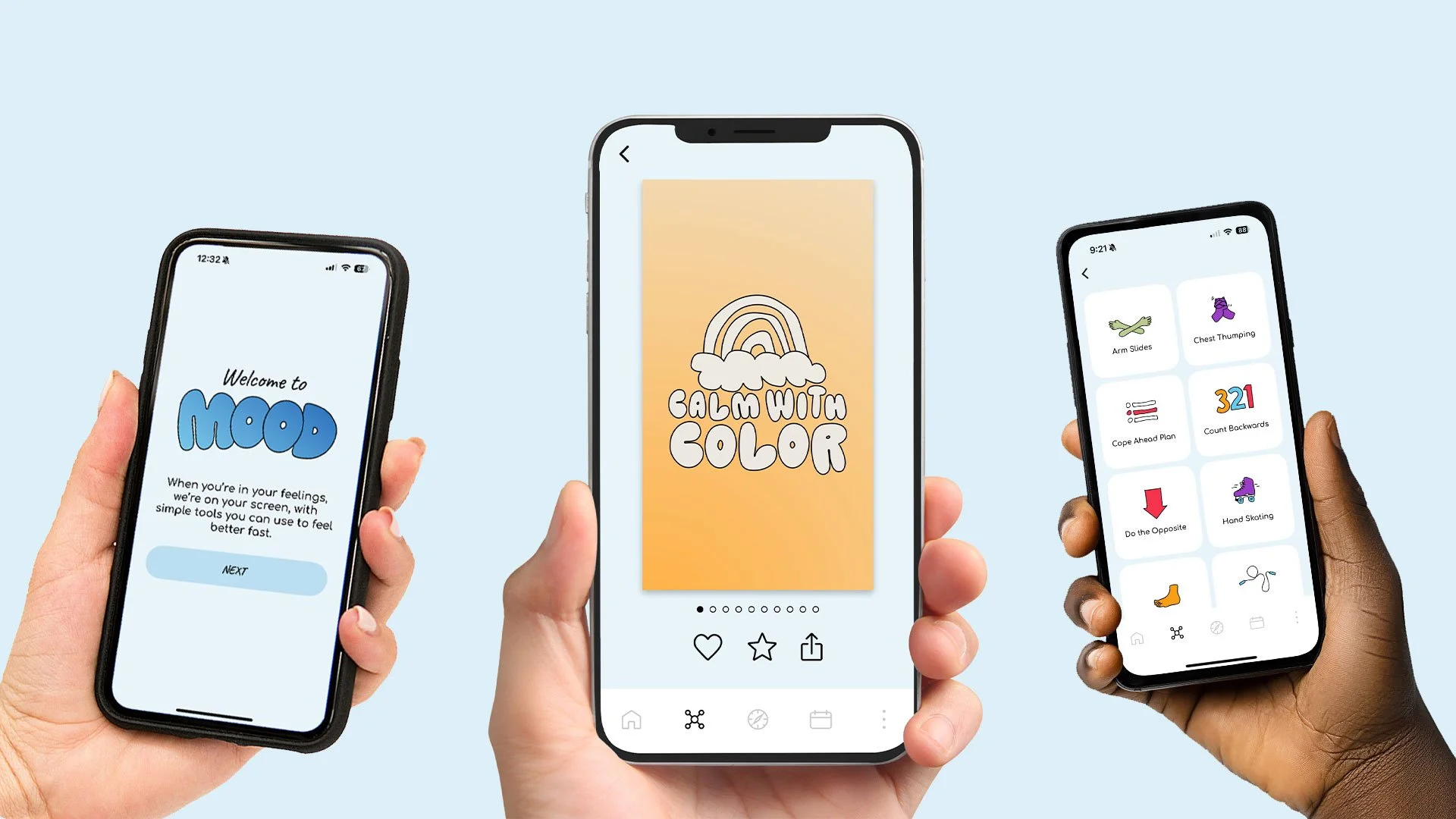
The Mood Tools are free mental health resources designed for tweens and teens, offering over 80+ science-backed tools rooted in DBT, CBT, and ACT.
Examples of tools that support connection include:
Flowers & Candles(guided breath regulation)
Hum or Sing (vagus nerve stimulation through sound)
Middle Thinking (cognitive reframing)
Self-Love Notes (positive self-identity reinforcement)
Parents can use these tools alongside their children. When parents engage in emotional skill-building with their child, the connection deepens.
The Mood Tools support:
Real-time emotional regulation
Reduced escalation
Increased emotional vocabulary
Shared coping strategies
These free and accessible tools, online and in The Mood Tools App, remove barriers to support.
What Success Looks Like in Parenting
Success is not perfection. It is being present.
A “good enough” parent:
Shows up consistently
Leads with compassion
Accepts imperfection
Repairs when needed
Supports emotional growth
Success means raising children who:
Feel safe
Feel seen
Feel valued unconditionally
Know they can return home emotionally
Connection allows children to explore the world confidently — and circle back securely.
Healthy Digital Habits That Support Connection
Parents can support connection by teaching their kids intentional digital habits:
No devices in bedrooms overnight
Screens off several hours before sleep
Screen-free meals and routines
Age-appropriate social media boundaries
Encourage technology that supports growth rather than comparison.
Using supportive tools, including mental wellness apps such as Mood, can transform digital time into intentional time.
What This Means for Parents
Just remember, children do not need perfect parents. They need:
Emotional safety
Calm presenceRepair after rupture
Curiosity over criticism
Rituals of connection
Practical tools for big feelings
Connection is built in small moments: A calm response. An apology. A protected meal. A shared breath.
Children who feel loved and connected develop the internal stability to navigate life’s challenges.

About Ronnie Vehemente, LCSW
Ronnie Vehemente, LCSW, is the founder of The Family Room and an advisor to The Mood Tools. She has over 30 years of experience counseling children, teens, parents, and families. A graduate of Columbia University School of Social Work, she specializes in emotional regulation, parent-child attachment, and adolescent mental health.
Her work focuses on helping families build emotional safety, resilience, and connection in an increasingly demanding world.
FAQs
-
Children feel loved through consistent emotional safety, curiosity without judgment, predictable routines, and repair after conflict. Feeling seen and heard strengthens attachment and supports healthy emotional development.
-
Emotional regulation can be learned at any age. Modeling learning in real time strengthens the connection.
-
Unstructured screen time can displace connection. Device-free rituals restore emotional closeness.
-
Co-regulation occurs when a parent’s calm nervous system helps stabilize a child’s emotional state.
-
Children may appear distant when they feel overwhelmed, overstimulated, or unsure how to express big emotions. Connection improves when parents respond with calm curiosity rather than pressure or criticism.
