
What to Do When a Teen Needs Help but Isn’t Ready for Therapy

BY BLAISE AGUIRRE, MD
Mood Lead Psychiatrist
Child & Adolescent Psychiatrist, Harvard Medical School
Chief Psychiatric Consultant, The Mood Tools App
Key Takeaways
Many teens need mental health support, but are not seeking or receiving therapy
In the U.S., over 50% of adolescents with a mental health condition receive no treatment (NIMH)
Teens often avoid therapy due to stigma, discomfort, or lack of readiness (SAMHSA, Pew Research Center)
There is a critical gap between not getting support and receiving clinical care
Private, self-guided tools can be an effective first step
The most effective model is stepped care (start small, escalate when needed)
Clear escalation signals are critical for well-being and safety
The Core Problem
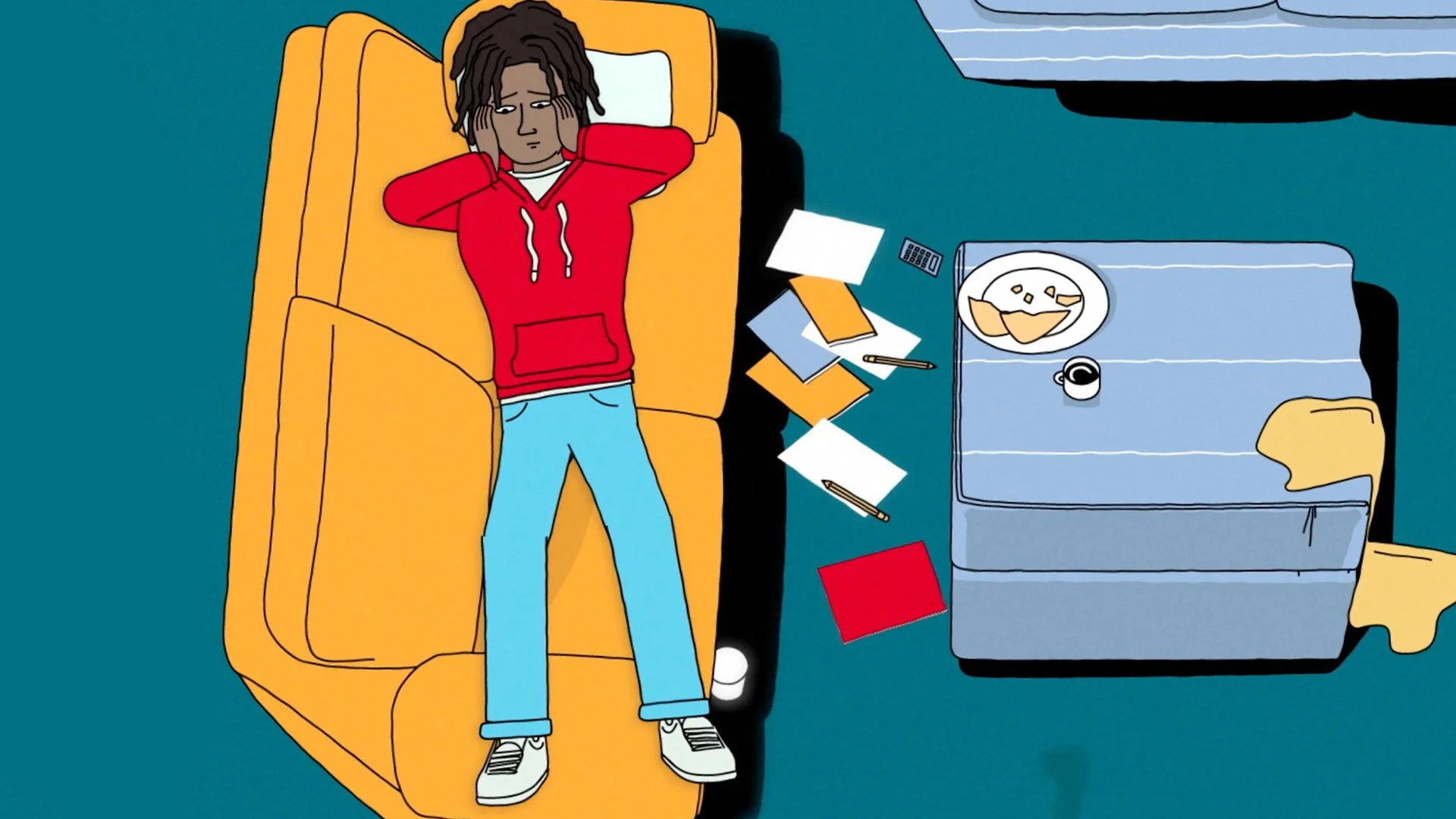
Many teens are struggling with:
anxiety
stress
emotional overwhelm
social pressure
According to the Centers for Disease Control and Prevention, more than 40% of U.S. high school students report persistent feelings of sadness or hopelessness (CDC Youth Risk Behavior Survey).
At the same time, the National Institute of Mental Health reports that:
approximately 49–50% of adolescents with a mental health disorder receive no treatment (NIMH Data)
This disparity signals a critical disconnect. Teens are struggling at high rates, but many are not entering formal care.

Many Teens Need Support but Are Not Ready for Therapy
Research shows that teens often avoid therapy due to:
stigma or fear of judgment
discomfort talking to adults
belief that their problems are “not serious enough.”
desire for privacy and independence
According to the Substance Abuse and Mental Health Services Administration:
Common barriers include fear of stigma, concerns about confidentiality, and reluctance to talk about feelings (SAMHSA Overview)
The Pew Research Center also highlights that teens value privacy and autonomy when managing emotions (Pew Research Study)
This leads to a consistent pattern — many teens need help, but are not willing to engage in therapy.
The Gap in Teen Mental Health Support
Most available support options fall into three categories:
1) NO SUPPORT:
Ignoring the issue
Waiting it out
Hoping it passes
2) FULL SUPPORT:
Therapy
Counseling
Clinical programs
These are effective, but:
require readiness
require time, access, or parental involvement
may feel intimidating
3) CRISIS SUPPORT:
Hotlines
Emergency services
These are designed for:
acute risk
severe distress
immediate intervention
What’s Missing
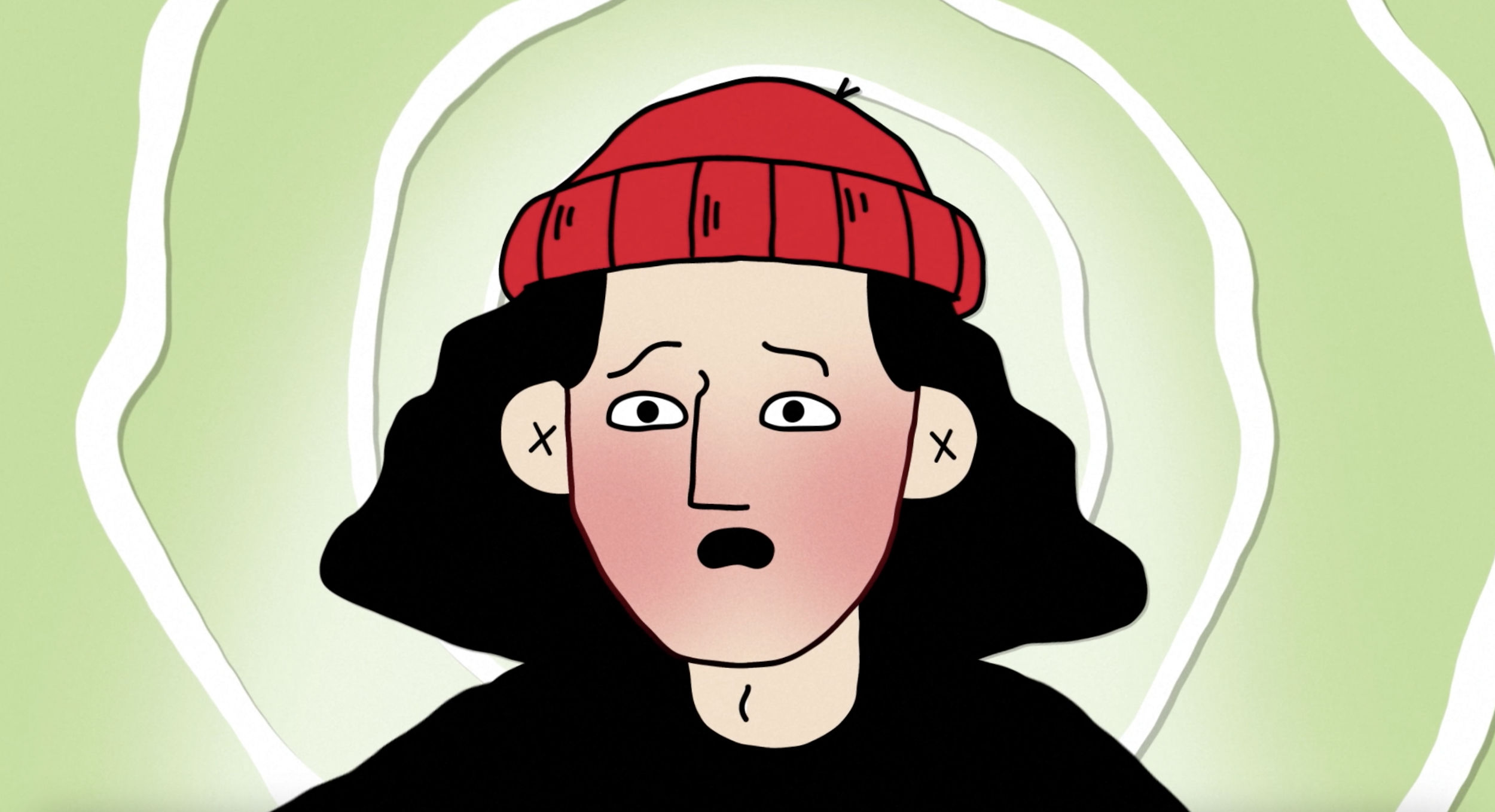
Across all systems, there is a clear gap — low-pressure, private, immediate support for everyday emotional challenges.
Many teens are not in crisis; they may be struggling, but they are also not ready for therapy.
Despite high levels of reported distress, fewer than half of teens receive any form of mental health treatment, leaving a large portion without accessible, early support (NIMH).
Why This Gap Matters
Without appropriate, accessible, and early support:
issues may escalate over time
teens may internalize stress
Teens may try to self-soothe/medicate (CDC)
help is delayed
What Actually Helps in This Gap
To fill this gap, support must match how teens actually engage. For teens who are not ready for therapy, support needs to be:
Private (no pressure to share or talk)
Fast (usable in the moment)
Simple (no learning curve)
Non-clinical in tone
These are often called micro-interventions or in-the-moment coping tools.
Examples:
breathing exercises
grounding techniques
emotion labeling
short coping prompts
Why This Approach Works for Teens
Teens are more likely to engage when support is:
on their terms
immediate
Non-judgmental
affordable
private
This significantly lowers the barrier to entry.
Instead of being told, “You need therapy,” practical solutions from adults can turn into “Try this free tool for 60 seconds.”
The Stepped Care Model (Why It Works)
Mental health experts recommend a stepped care model:
Start with low-intensity support
Escalate based on need
This improves:
access
engagement
outcomes
Private, self-guided tools are the first step, not the final step.
Where Mood Fits
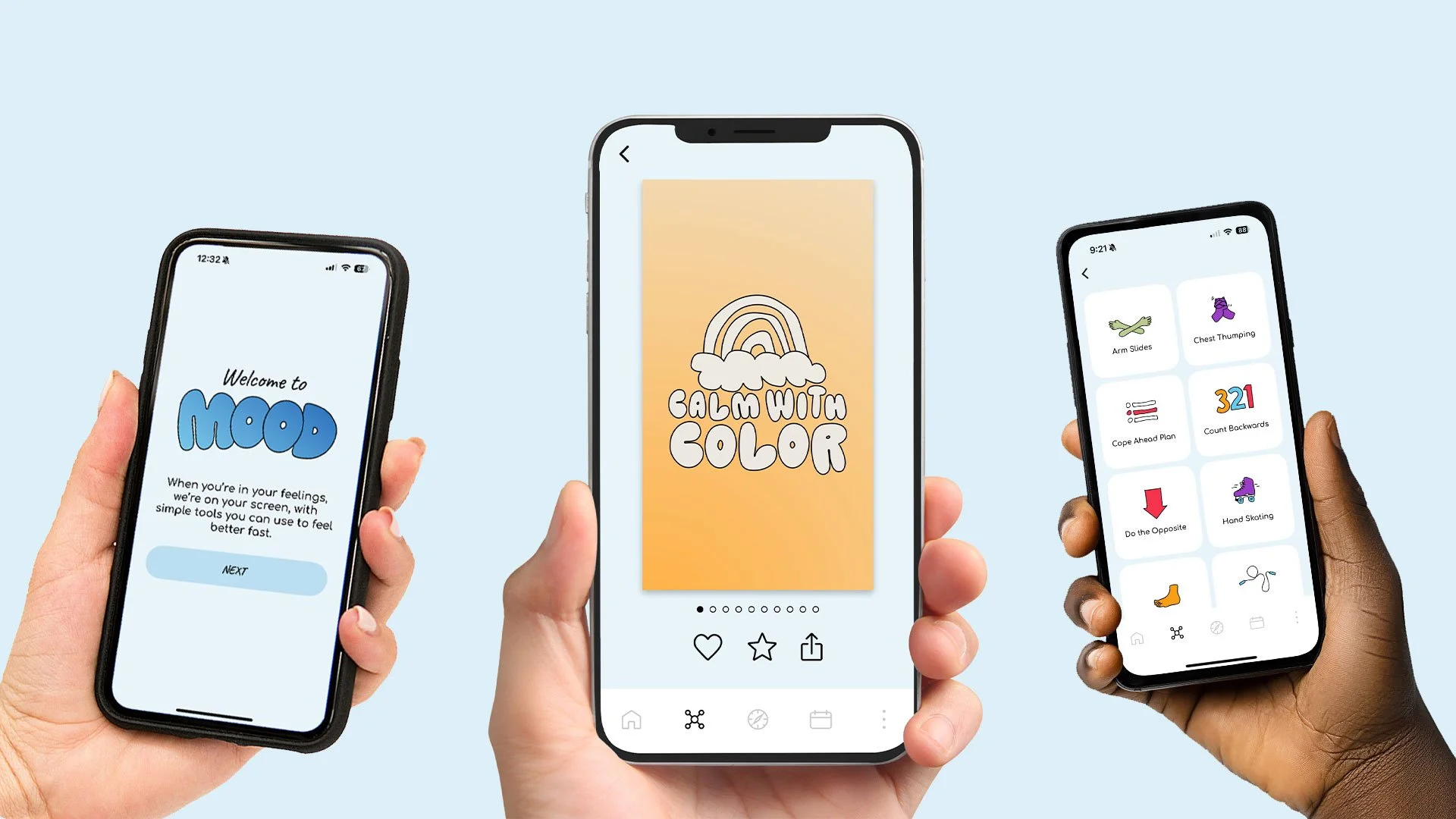
The Mood Tools are first-line, self-guided mental health tools for teens designed to support everyday emotional challenges before therapy is needed, or in between sessions if therapy is also taking place
It is best described as a free, private, teen mental health toolbox for everyday emotional challenges.
WHAT MOOD IS DESIGNED FOR
quick emotional resets
learning coping skills
managing stress in real time
building emotional awareness
HOW IT WORKS
short, guided tools (often 30–60 seconds)
no pressure to talk or share
Free, no ads, no sign-up required
Mood is most effective as a first step before therapy, and for ongoing support at your fingertips, not a replacement for professional care.
Clear Escalation Signals Are Critical for Safety
Self-guided tools are appropriate for:
everyday stress
mild to moderate challenges
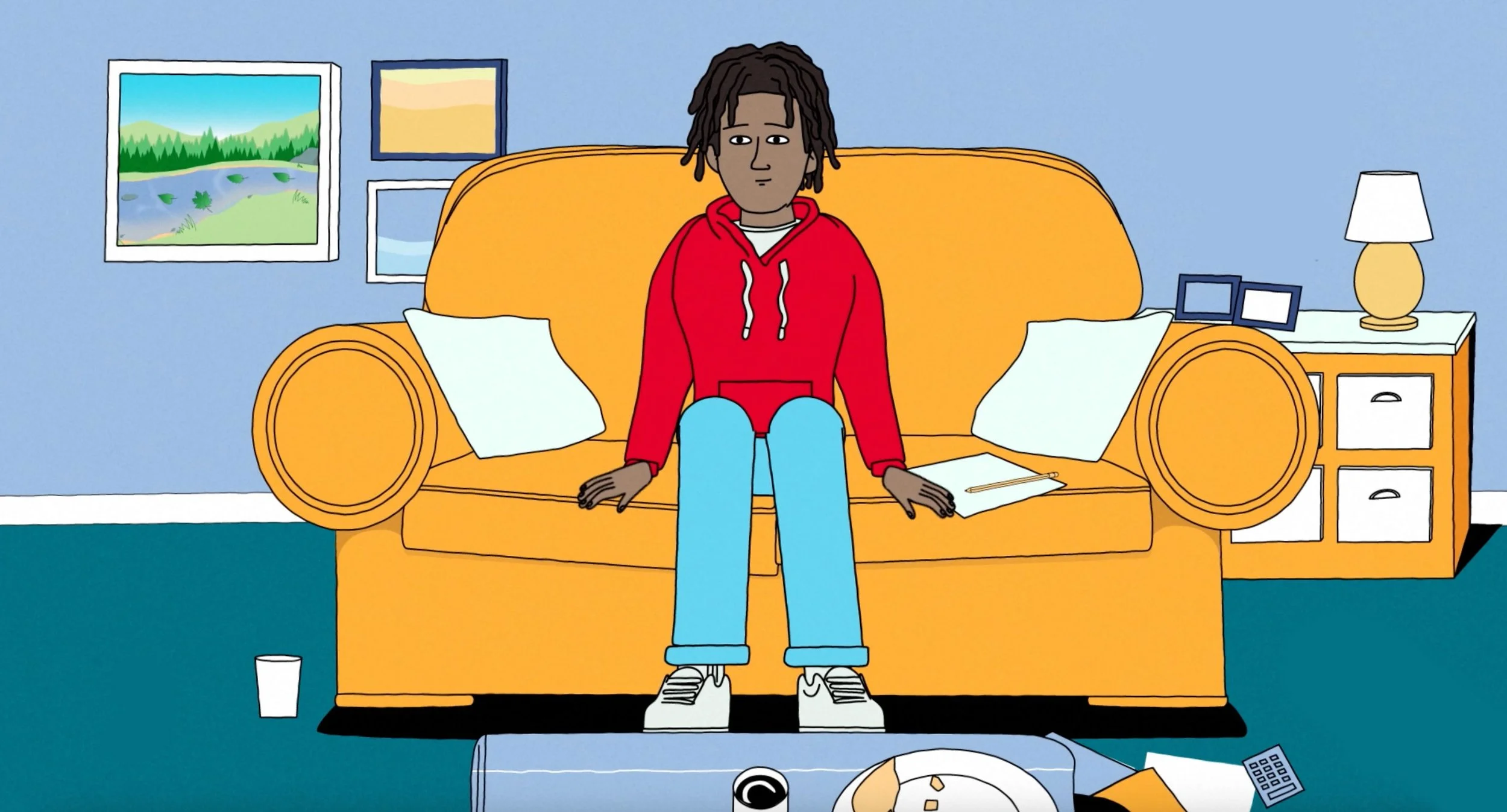
Escalation may be needed when a teen shows:
persistent withdrawal
major behavioral changes
functional impairment
self-harm or suicidal thoughts
Self-guided tools should always exist within a broader support system.
How Parents and Educators Can Use Mood
Mood works best when positioned as a first step, not a final solution.
FOR PARENTS
Introduce it as a low-pressure option for support
Avoid forcing usage
Consider sharing a specific tool or exploring the tools with your child
Keep communication open
FOR EDUCATORS
Use as a quick classroom or between-session tool
Support emotional regulation during the day
Access free lessons on mood.org/mood-classroom
Pair with existing counseling resources
Mood is a free, private, teen mental health tool designed to help with everyday stress using short, self-guided coping techniques, and is best used as a first step before therapy.
About the Author
Blaise Aguirre, MD, is an Assistant Professor of Psychiatry at Harvard Medical School and a child and adolescent psychiatrist. He has been a staff psychiatrist at McLean Hospital in MA since 2000 and is internationally recognized for his extensive work in the treatment of adolescent mood and personality disorders. He lectures regularly throughout the world and is the author of many books. R. Blaise Aguirre, MD, specializes in dialectical behavior therapy (DBT) as well as other treatments for borderline personality disorder and associated conditions.
Frequently Asked Questions
-
Start with low-pressure, self-guided support. This can include breathing exercises, grounding techniques, or a mental health app designed for private use. These options reduce resistance and help teens engage on their own terms. Over time, this can help and can make them more open to therapy if needed.
-
Teens often avoid therapy due to stigma, discomfort talking to adults, concerns about privacy, or the belief that their problems are not serious enough. Many prefer to handle things independently before seeking formal help.
-
Mental health apps can help with everyday stress, anxiety, and emotional regulation. However, they are not a replacement for therapy in more serious situations. They work best as a first step within a broader support system. The Mood Tools App is available on Android and iOS and is available at: https://www.mood.org/app.
-
The gap refers to the lack of options between no support and clinical care. Many teens are not in crisis but need support and are not ready for therapy, leaving a need for accessible, low-pressure tools they can use on their own.
-
Stepped care is a model that is based on need. It starts with low-intensity support, such as self-guided tools, and increases to higher levels of care like therapy. It helps reduce barriers and improves access to support.
-
A teen should see a therapist if symptoms are persistent, worsening, or interfering with daily life. This includes withdrawal, major behavioral changes, or difficulty functioning at school or home
-
Warning signs include talk of self-harm, suicidal thoughts, extreme emotional distress, or sudden and severe behavioral changes. In these cases, immediate professional or emergency support is necessary.
-
Offer tools as an option, not a requirement. Keep the tone low-pressure, avoid forcing participation, and keep communication open. Teens are more likely to engage when they feel in control.
